Hot Mallu Aunty Boobs Pressing And Bra Removing Video Target 2021 -
Cinema is expanding its scope to include non-hegemonic men—those with disabilities, gentle demeanors, or unconventional life paths—effectively expanding the spectrum of masculine identities available in society. Culture Through the Lens of the Superstar
The roots of Malayalam cinema are deeply embedded in Kerala's rich literary tradition and progressive social reform movements. The industry's journey began with silent films like Vigathakumaran (1928), directed by J.C. Daniel, which directly confronted the rigid caste hierarchies of the time. Cinema is expanding its scope to include non-hegemonic
Perhaps the most defining feature of Malayalam cinema is its insistence on social realism. From the 1970s onward, spurred by strong leftist political ideologies and a highly literate population, Malayalam films tackled uncomfortable truths. The industry embraced stories of sex workers (), broken marriages ( Swapnadanam ), and the plight of the orphaned ( Kabani Nadi Chuvannappol ). Unlike the escapist fantasies of some regional counterparts, the Malayalam screenplay often relied on "narrative supremacy," trusting audiences to sit through slow-burn character studies and political satires like Panchavadi Palam . The industry embraced stories of sex workers (),
: The formation of the Women in Cinema Collective (WCC) marked a watershed moment in Indian cinema. Women filmmakers and technicians began actively challenging deep-seated industry patriarchy, demanding safer workspaces and more progressive, nuanced representations of women on screen. demanding safer workspaces and more progressive
Malayalam cinema is a mirror to the specific cultural traits of Kerala:
As the industry moves forward, it continues to embrace new techniques and perspectives. The focus on realistic narratives, combined with a conscious effort to address social change, ensures that Malayalam cinema remains a vital, evolving expression of Kerala’s culture.
: This period is celebrated for its detailed screenplays that blended everyday life with humor and melancholy. It saw the rise of superstars Mohanlal and Mammootty, who remain cultural icons. Contemporary Trends: The "New Generation"
Cinema is expanding its scope to include non-hegemonic men—those with disabilities, gentle demeanors, or unconventional life paths—effectively expanding the spectrum of masculine identities available in society. Culture Through the Lens of the Superstar
The roots of Malayalam cinema are deeply embedded in Kerala's rich literary tradition and progressive social reform movements. The industry's journey began with silent films like Vigathakumaran (1928), directed by J.C. Daniel, which directly confronted the rigid caste hierarchies of the time.
Perhaps the most defining feature of Malayalam cinema is its insistence on social realism. From the 1970s onward, spurred by strong leftist political ideologies and a highly literate population, Malayalam films tackled uncomfortable truths. The industry embraced stories of sex workers (), broken marriages ( Swapnadanam ), and the plight of the orphaned ( Kabani Nadi Chuvannappol ). Unlike the escapist fantasies of some regional counterparts, the Malayalam screenplay often relied on "narrative supremacy," trusting audiences to sit through slow-burn character studies and political satires like Panchavadi Palam .
: The formation of the Women in Cinema Collective (WCC) marked a watershed moment in Indian cinema. Women filmmakers and technicians began actively challenging deep-seated industry patriarchy, demanding safer workspaces and more progressive, nuanced representations of women on screen.
Malayalam cinema is a mirror to the specific cultural traits of Kerala:
As the industry moves forward, it continues to embrace new techniques and perspectives. The focus on realistic narratives, combined with a conscious effort to address social change, ensures that Malayalam cinema remains a vital, evolving expression of Kerala’s culture.
: This period is celebrated for its detailed screenplays that blended everyday life with humor and melancholy. It saw the rise of superstars Mohanlal and Mammootty, who remain cultural icons. Contemporary Trends: The "New Generation"
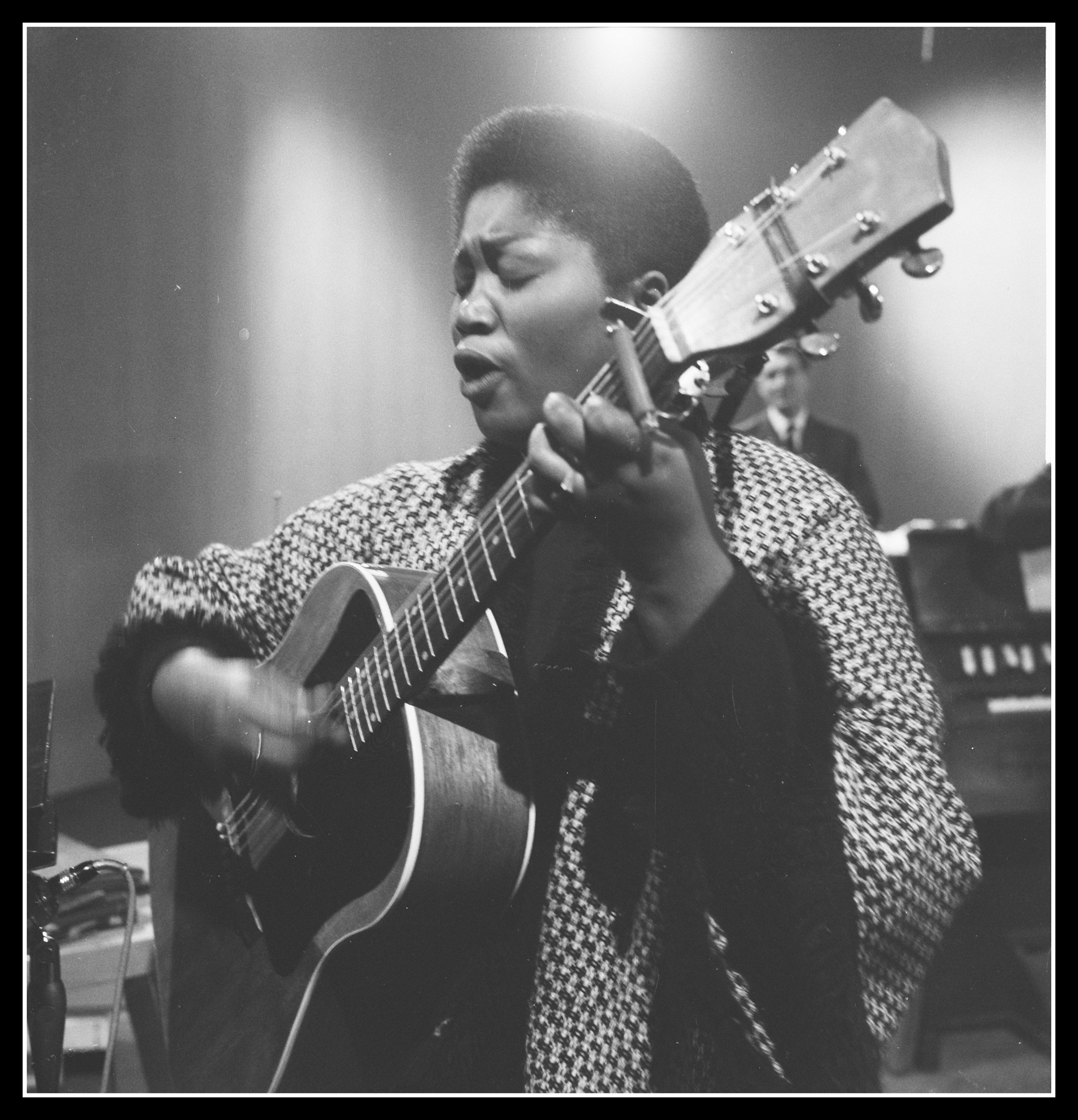
Odetta was one of the defining voices of American folk music. Though she had been trained in classical music, she was drawn to spirituals, work songs, traditional ballads, and blues. These songs told the stories of true life – of struggle and of those who overcame oppression. Odetta used her theater training and deep resonant voice to bring these messages to life. Her work inspired later artists like Bob Dylan and Joan Baez, served as a soundtrack for the social reforms of the 1960s, and led to her honorary title as “The Voice of the Civil Rights Movement” and “The Queen of Folk Music.
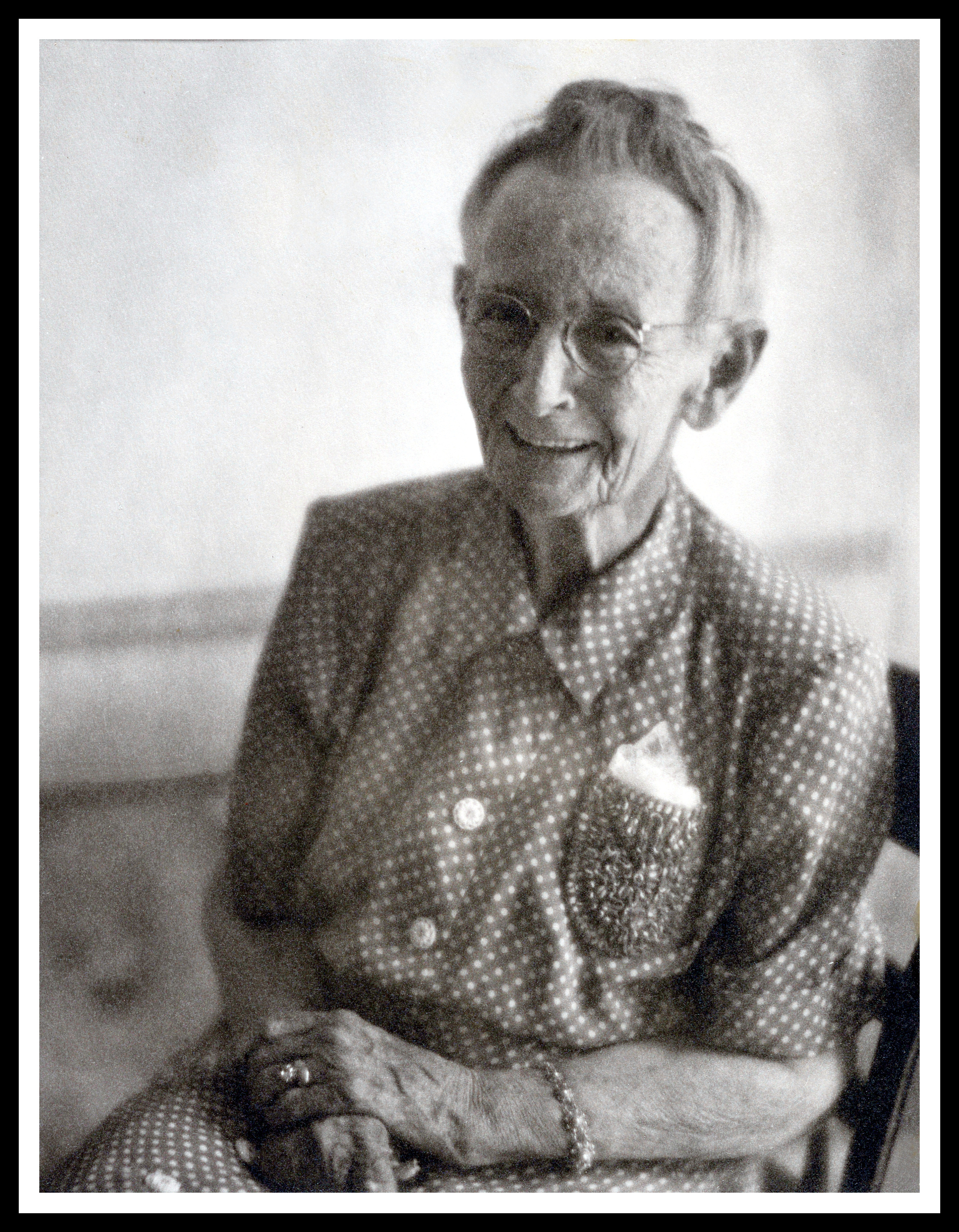
Anna Mary Moses spent the last twenty years of her life as a beloved and celebrated artist after a hobby became an occupation in the most astonishing way.
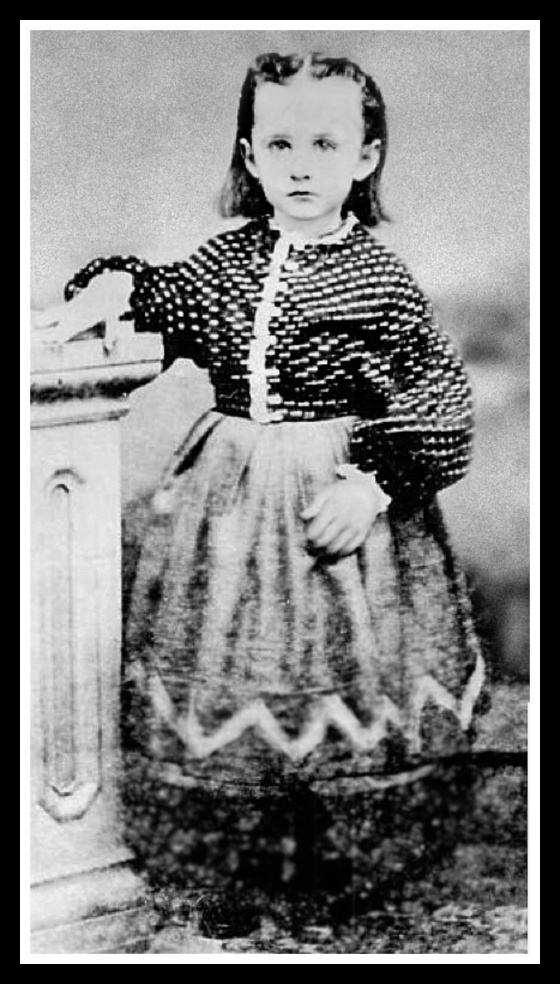
Anna Mary Moses was born when Abraham Lincoln was president and died when John Kennedy was; she lived through one Civil, and two World wars, and was one of the first women in the US to legally vote. Because her life was so full, she didn’t take up painting as her primary hobby until she was in her 70s, and was on a rocketship of world fame as a celebrated artist until she was in her 80s.