
Москва, Игарский проезд, д. 2, офис 314
схема проезда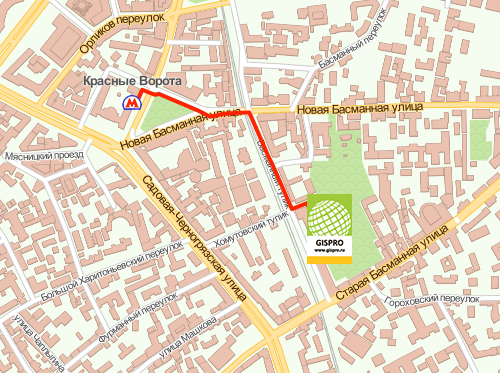
тел. (495) 639-80-82
ИНН: 7703741816
КПП: 771601001
A significant portion of the manual is dedicated to patient selection. Dr. Gauci emphasizes that not every patient is a candidate for RF. This section includes:
: Interventional pain physicians, fellows, and anesthesiologists MANUAL OF RF TECHNIQUES By Dr. Charles A. Gauci MD
In 1979, Dr. Gauci began his deep involvement in chronic pain management. After resigning his commission, he became the Lead Consultant in pain management at Whipps Cross University Hospital in London, and later held honorary positions at Guy's & St. Thomas' Hospital. His expertise quickly earned him a global reputation as a master teacher of interventional techniques. His peers elected him a Foundation Fellow of the Faculty of Pain Medicine of the Royal College of Anaesthetists of England, and he remains actively involved with the World Institute of Pain (WIP) as its Honorary Secretary, a Trustee of its Foundation, and an examiner for the prestigious FIPP (Fellowship in Interventional Pain Practice) Diploma. A significant portion of the manual is dedicated
Manual of RF Techniques: A Practical Manual of Radiofrequency Procedures in Chronic Pain Management Author: Dr. Charles A. Gauci, MD, FRCA, FIPP, FFPMRCA Publisher: CoMedical BV Thomas' Hospital
Dr. Charles A. Gauci, MD, FRCA, FIPP, FFPMRCA, is a world-renowned consultant in pain medicine. Based in the United Kingdom, Dr. Gauci has spent decades refining interventional pain management protocols. He is a pioneer in the standardization of radiofrequency techniques and a highly sought-after international lecturer. His manual reflects a lifetime of clinical expertise, offering clear, structured, and reproducible techniques designed to maximize patient safety and treatment efficacy. Core Themes and Methodology of the Manual
Perhaps the most borrowed aspect of the manual is Dr. Gauci’s proprietary protocols. For example, his "Gauci Glide Technique" for neck tightening is now taught in residency programs. Let us explore two signature protocols found within the text:
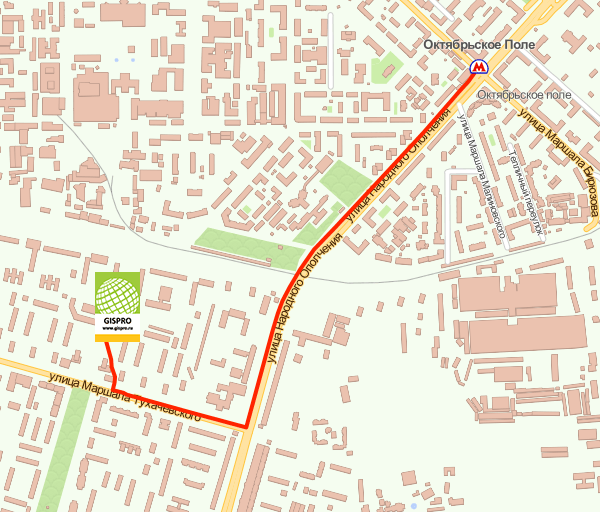
Москва, Игарский проезд, д. 2, офис 314
схема проездател. (495) 639-80-82
ИНН: 7703741816
КПП: 771601001