Kamasutra+in+kannada+teacher+sex+stories+upd Jun 2026
Historically, romantic storylines often conformed to traditional notions of love and marriage. In the 19th century, literature such as Jane Austen's Pride and Prejudice and the Brontë sisters' Wuthering Heights featured protagonists who navigated societal expectations and familial obligations in pursuit of love. These stories typically concluded with the union of the protagonists, reinforcing the idea that marriage was the ultimate goal of romantic relationships. The societal values of the time emphasized the importance of marriage, family, and social status, and romantic storylines reflected these values. For example, Austen's Pride and Prejudice portrays a society in which women were expected to marry well and maintain social standing, while the Brontë sisters' novels highlight the limitations placed on individuals by societal expectations.
Hmm, the keyword itself is interesting. "Relationships and romantic storylines" connects real-life psychology with narrative craft. The user probably wants something that bridges those two worlds. They might be writing for an audience of aspiring romance writers, or perhaps for a dating/lifestyle site that uses storytelling concepts. I should cover both angles to add value. kamasutra+in+kannada+teacher+sex+stories+upd
The event that forces the two characters into each other’s orbits (e.g., a forced proximity setup, a shared mission). The societal values of the time emphasized the
Historical romance often positioned marriage or coupling as the ultimate form of female survival and validation. Modern narratives, however, emphasize that a relationship should complement an individual's life rather than complete it. Characters maintain independent ambitions, friend groups, and personal identity arcs outside of their primary romance. Deconstructing the "Happily Ever After" This introduction establishes their baseline flaws
The characters are disrupted from their normal routines. This introduction establishes their baseline flaws, their current emotional unavailability, and the initial chemical or situational friction between them. Phase 2: Rising Tension and Vulnerability
: A major 2026 trend where individuals prioritize transparency regarding their long-term intentions and emotional needs right from the first encounter.
Make planning work for you
Ditch the chaos. Capture tasks, stay organized, and move from idea to action without the overwhelm.
Your full planning system, built for real brains
Focus without the fuss
Keep your tasks front and center. Tiimo’s simple, visual planner helps you jump in, stay on track, and finish without getting lost along the way.
Structure that supports you
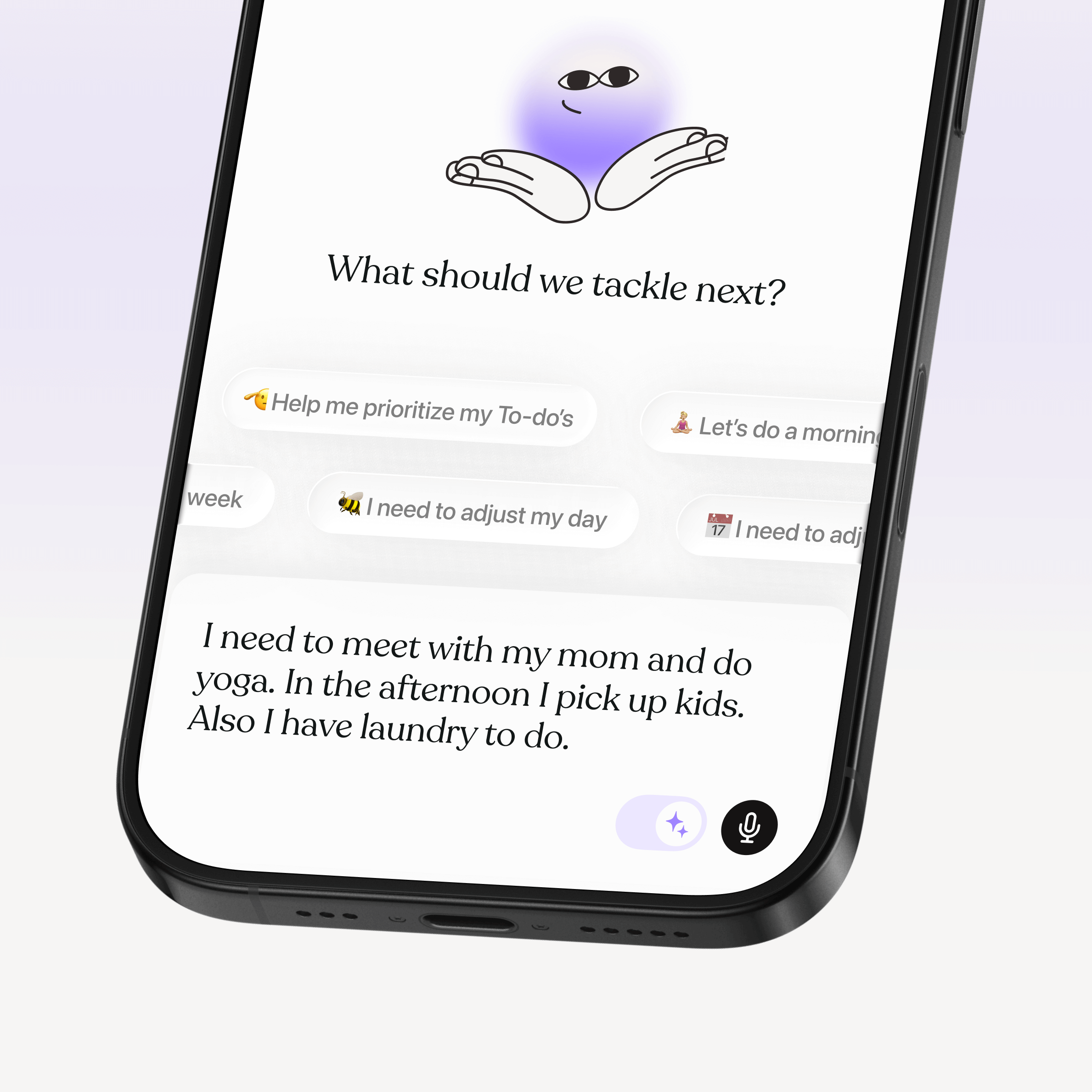
Let Tiimo’s AI take the lead when you feel stuck. It turns your thoughts into clear steps, adds time estimates, and builds a plan that fits how you work best.
Stay in sync, at a glance
With widgets, Live Activities, and Dynamic Island, your plan is always where you need it: on your phone, wrist, or home screen.
Plan with your wellbeing in mind
Your schedule should work for you. Tiimo’s Wellbeing features help you check in with yourself, spot patterns, and build routines that support your energy, emotions, and focus.